


 Locations




 The renaming of the Sudbury and District Home Builders' Association to the Northern Ontario Home Builders’ Association (NOHBA) reflects the expanding scope of the organization, its CEO and chair told RENX Homes.
Announced in late 2025, the rebranded NOHBA’s mandate is to advocate for the local homebuilding industry and rally members around addressing issues in financing projects, skilled labour and infrastructure. The association consists of over 40 members today — homebuilders big and small, renovation businesses, tradespeople, material suppliers and service professionals.
“We expanded and we changed our name because the (previous name) didn’t match the reality of what we were doing,” Morgan Rouleau, the NOHBA’s CEO, said in an interview. “We have members from up north, we have some builders who aren’t members but are still calling with questions. And our work extends far beyond Sudbury and the district.”
The NOHBA is reaching out to prospective new members in cities such as North Bay, Sault Ste. Marie, Timmins, Thunder Bay and Kenora, and plans to also extend a hand to those located in smaller communities in the future.
The Sudbury-based organization will represent a local industry that is rarely heard in the province compared to peers in the south, its chair Anthony Farrugia said in the interview.
Mining boom will lead to housing investment
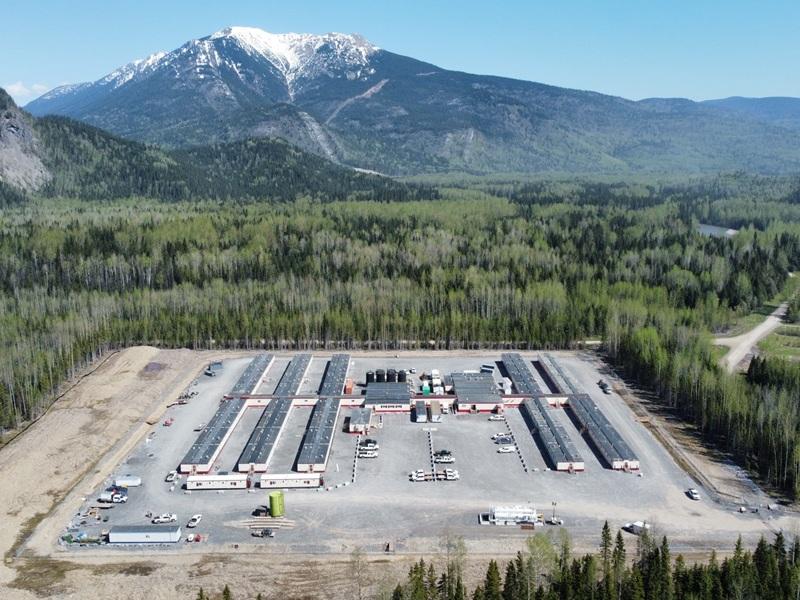
The densely forested, mineral rich but lightly populated northern area of Ontario has a long list of issues which can impact the homebuilding sector, Rouleau and Farrugia explained.
Projects are harder to finance, for one. A skilled labour shortage and the small, widely scattered population makes finding and sheltering workers challenging, and it can harder to get projects swiftly permitted.
Vast areas of virtually untouched land means hectares upon hectares of trees and rocks that need to be cleared to build housing, Rouleau said. The long distances from supply chain hubs in the Greater Toronto and Golden Horseshoe areas means access to building materials is burdened by high costs and harsh winter weather that can shut down roads for days.
Seeking strategies to mitigate these issues becomes all the more important as the federal and Ontario governments push to extract the abundant natural resources in Northern Ontario, particularly critical minerals like nickel, copper and platinum.
If the strategy is borne out, thousands of workers for the mining sector will need housing and infrastructure - potentially both on-site and in regional hubs. While there is anticipation for a potential housing boom in Northern Ontario because of the investment into mining, Rouleau said it cannot be taken for granted.
“The housing booms only happen if the land is serviced, is serviceable, and approvals are predictable and the workforce is there,” she said.
The NOHBA is pushing for action such as increased funding into water infrastructure, roads and housing in the region, Rouleau and Farrugia said. Examples include boosting spending into waterways such as the shipping routes into to Thunder Bay, and more rail lines to ease access to skilled labour and construction materials.
Farrugia also noted the importance of raising research and development funding so local homebuilders can build housing quickly and efficiently.
A market that takes its time

One of the biggest targets of the NOHBA is to unify northern communities, Farrugia said. The association plans to achieve this by bringing in more members and filling board seats reserved for members located in different municipalities.
Other issues the organization has in its sights are housing affordability and streamlining the credentials approval process for immigrants who want to work in construction.
To tackle affordability, the NOHBA plans to advocate for reducing taxes on new home sales with its partners like the Ontario Home Builders’ Association.
Housing market trends tend to take longer to have an impact in Northern Ontario compared to the south, Farrugia said. He pointed to a hesitation with investing in Northern Ontario as the cause, because most financiers are from Southern Ontario and lack familiarity and interest in the region’s markets.
“Any market trends that happen in Toronto don’t really come up to Sudbury and Northern Ontario beyond that point for several months, if not years after the fact,” Farrugia explained.
One example he cited is Electra Battery Materials’ upcoming cobalt sulphate refinery in Temiskaming Shores, a major new employer for the region.
"The communities and surrounding areas have just started to pick up on what's about to happen in that area," Farrugia noted. "But had that happened to Southern Ontario, the communities would have rallied around that from the beginning, versus now only starting to latch onto it now that it's coming (time) to commission it."
On the plus side, the slower pace of change can result in a more stable housing market and a safer investment climate than in Southern Ontario, he added.




 Industry Events
 Locations
