Locations





High-end homes and "livable," more roomy condos will continue to see demand in the Greater Toronto Area's (GTA) depressed housing market according to Riz Dhanji, the founder and president of real estate development sales firm RAD Marketing.
For the past decade, investors had flocked to the GTA condo market because of the region’s population growth. Then it was supercharged by low interest rates during the COVID pandemic, galvanizing a boom in construction starts which hit almost 34,000 units at its peak in 2023 (based on a 12-month moving average), according to the Bank of Canada.
To get construction financing at the time however, most of the units were under 500 square feet, leading to comments about “shoe box”-sized residences.
Then the hits started coming, from interest rate hikes, cuts to immigration and economic uncertainty. Condo presales in 2025 were the lowest since 1991, Urbanation reported. The Toronto Regional Real Estate Board reported February home sales fell year-over-year by 6.3 per cent.
“What I’m seeing right now is a market that was 15, 20 years ago driven predominately by investors, is now pretty much non-existent,” Dhanji said in an interview with RENX Homes. The end-user is “coming back very much now in the condominium space, in the low-rise space.”
Founded in 2017, RAD’s experience in the GTA residential sector includes condo projects such as Massey Tower, Shangri-La Residences and YC Condos, plus various lowrise and midrise projects.
What end-users want from their homes
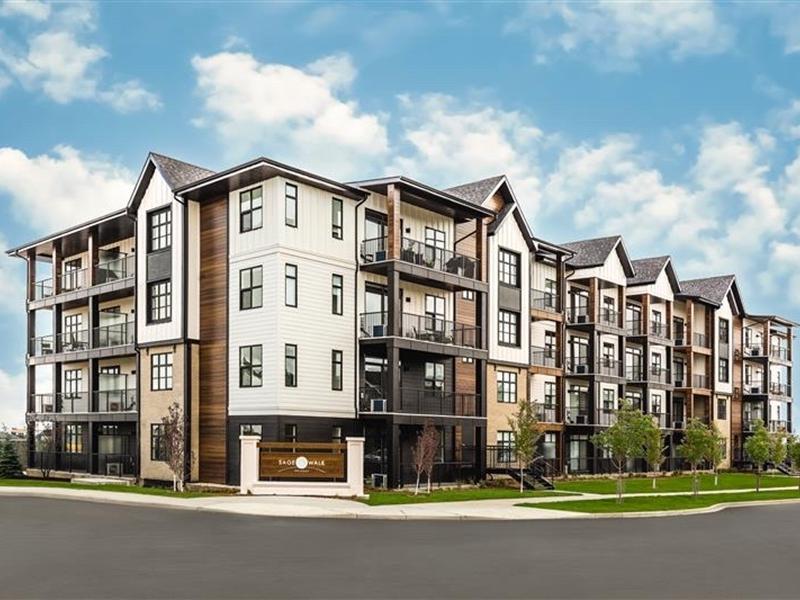
Today's end-user buyers are seeking “larger spaces” and “well-designed floor plans,” Dhanji said. RAD advises its clients to draw up livable floor plans, such as bedrooms which can accommodate a queen- to king-sized bed or a walk-in closet, with a proper living area in the unit.
The amenities, location, neighbourhood, walkability and access to transit are also pivotal factors in selling homes in today's developments, he noted.
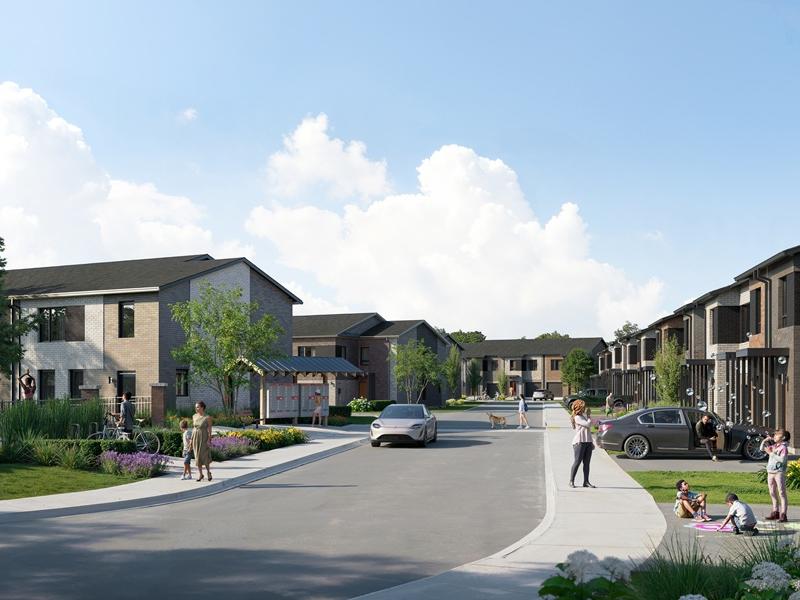
Stacked townhomes are selling comparatively well today because of their affordable price point, Dhanji said, making them a strong choice for first-time buyers. Freehold townhomes and affordable single-family lots are also succeeding in today’s market, he observed.
Conversely, condos under 475 square feet, and two-bedroom units under 600 square feet, are faring poorly on the market due to the changes in buyer demographics.
On the development side, projects that cater to specific neighbourhoods with homes designed for end-users, move-up buyers and first-time buyers still have a much better chance of going ahead, Dhanji said. He also sees lowrise offerings like suburban stacked townhomes priced at a competitive entry-level point continuing to outperform other segments.
But most tall, 60- to 70-storey condo towers are unlikely to get off the ground in today’s conditions, he noted.
Dhanji also said the luxury market has remained steady, with demand for housing featuring unique designs and abundant space. Well-heeled buyers have the financial means to bypass the restrictions felt by many other prospective home buyers.
That continues a trend in the higher-end market. Adrienne Lake, managing broker at Kitchener, Ont.-based Corcoran Horizon Realty, told RENX Homes last year the GTA’s luxury housing market was prospering in part because the properties can be a steady asset in rocky times.
A buyer's market
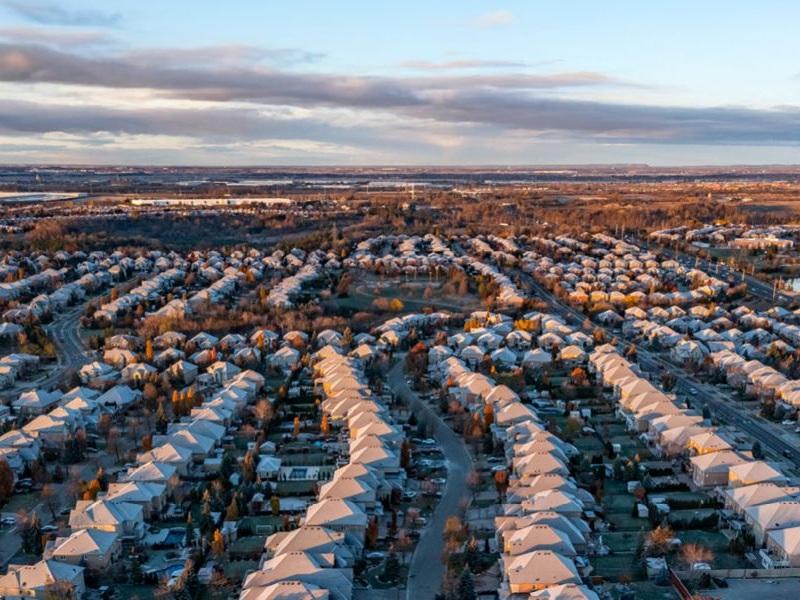
The GTA market today has an abundance of condos and lowrise homes built during the COVID pandemic, Dhanji said, offering buyers many choices. While the overall market has been depressed for some time, Dhanji said once the economy stabilizes he expects a “huge uptick” in sales and for prices to return to pre-COVID levels.
Dhanji said he is already seeing three to four times more people coming through RAD’s sales offices compared to the end of 2025.
“It goes to show that people want to buy homes. They’re interested, it’s just the psychology,” he said.
The proposed rebates for first-time homebuyers are likely to stimulate interest in the market, Dhanji said, along with the average GTA selling price inching down to a little over $1 million as of February.
Investors, Dhanji expects, will remain sidelined until the math makes sense again. On that front, lower rents continue to keep those buyers out of the market.
Fearing a severe supply shortage he foresees happening by 2029, Dhanji said if housing starts are not jump started and land and construction costs not lowered, there will be a flood of layoffs in the housing and construction sectors. A few years down the road, that will be followed by another housing shortage.
But, he thinks government “has a big, powerful say in that.”
Further tax relief on new homes would be a start, Dhanji said. He is also closely watching how the Canadian economy evolves, particularly with USMCA trade negotiations between Canada, the U.S. and Mexico soon to take place.
“It’s now for the government to tackle these issues.”



 Industry Events
 Locations