
 Locations
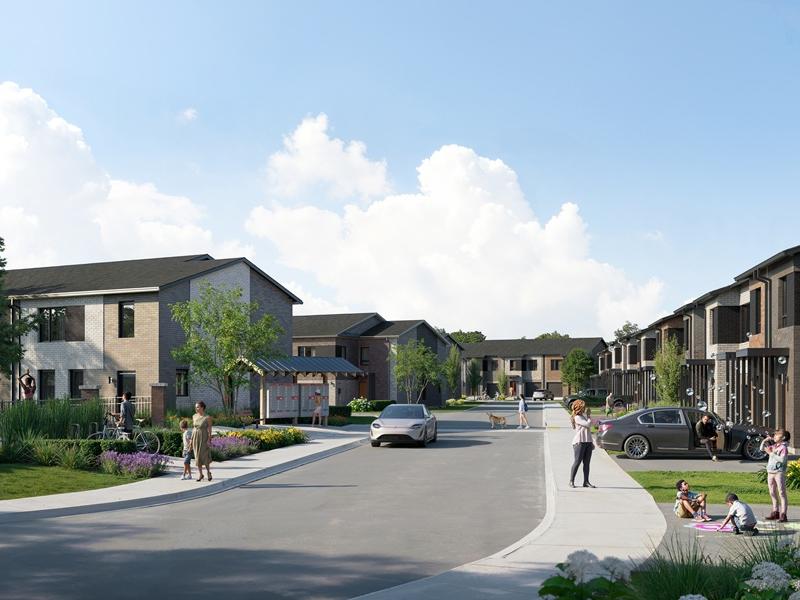

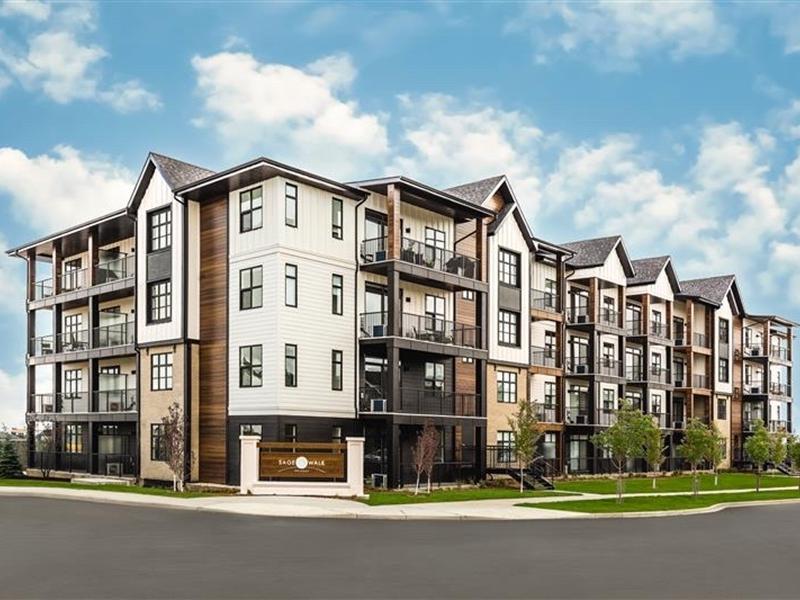



 The Municipality of Lakeshore is offering up to $80,000 in funds to incentivize developers and individuals to build missing middle housing, joining other municipal governments in moves to increase supply.
The Western Ontario municipality’s initiative will offer grants, rebates or loans to reduce the costs of developing affordable and medium-density housing such as multiplexes and semi-detached homes. The funding will range from $2,500 to $80,000, depending on the type of dwelling being planned and if is designed as a rental or owned unit.
Funding will be offered through the Community Improvement Plan (CIP), a pre-existing municipal program that provides financial support for property improvements and new housing. Applications are open until March 6.
The CIP is being supported by up to $800,000 from the Canadian government’s Housing Accelerator Fund. The Lakeshore Horizons project, a collaboration between the municipality and the Centre for Cities at the University of Windsor, is managing the program.
In light of rapid population growth over the past 10 years in Lakeshore, a municipality east of Windsor and Detroit with approximately 40,000 residents, the program is designed to meet the needs of residents both young and old, said Kendra Fry, the transformation lead of Lakeshore Horizons, in an interview with RENX Homes.
“We’re trying to help to incentivize those people to go forward and build so we can have a place for young people and seniors to live.”
Details of the CIP
Registered or assessed property owners and authorized tenants or assignees can apply for the CIP. It will be open across the municipality and also apply to areas zoned for high-density residential development - aspects of the program apply to missing middle housing development at any scale.
A rebate of up to 100 per cent will be offered for fees related to planning application, building permits and the municipal portion of development charges for new high-density housing units.
Another example of program funding is a forgivable loan for medium-density housing or an additional residential unit (also known as an accessory dwelling unit, laneway home or garden suite) at an existing property.
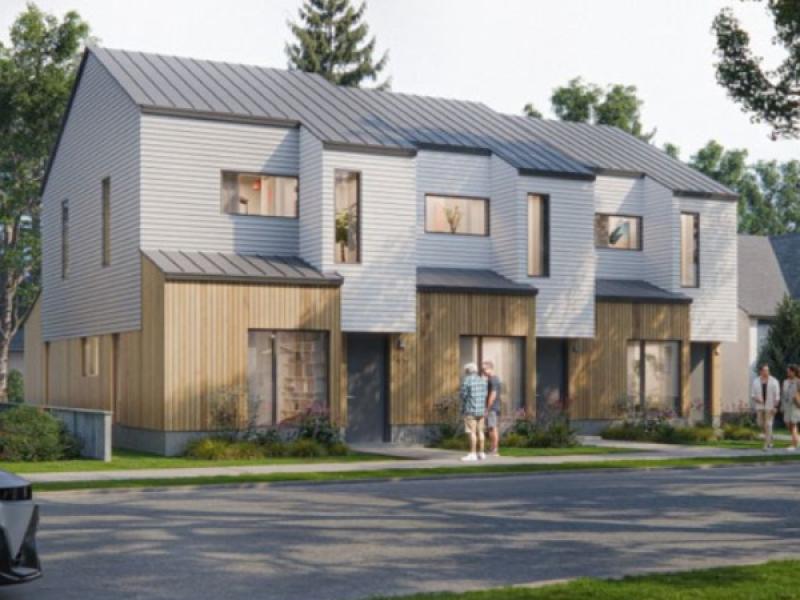
For missing middle housing, such as a townhome or a semi-detached home, up to $61,000 or $80,000 per new unit will be offered for an owned or rental home, respectively.
For an additional residential unit, the program will provide up to $26,000 for a new owned home or $34,000 for a new rental unit.
The higher funding for rental projects is to boost supply of this housing. An inadequate supply of rental housing in Lakeshore is contributing to the municipality’s high housing costs, she said, locking out residents in professions such as nursing and teaching. If the municipality wants to retain its young adults who sustain the community, it will need to provide housing opportunities for them, Fry said.
The average price of a home sold in the Windsor-Essex County region (the region in which Lakeshore is located) last December was $520,098, according to the Canadian Real Estate Association.
Creating more garden suites is a good fit for Lakeshore because such housing can fit into the long single-family properties that are abundant in the municipality, Fry explained. She also noted it can be built quickly, does not significantly affect the community landscape and provides opportunities for seniors and young adults.
To broaden its reach, the CIP includes pre-approved designs and guidance to accelerate approvals and lower costs.
Balancing infrastructure, density
Fry said Lakeshore is looking to overcome the challenge of balancing its rising population, housing density and infrastructure.
The municipality’s housing market is dominated by large single-family homes in subdivisions away from the centres of its largest communities. It created an infrastructure problem, Fry said, including issues around wastewater management.
As Lakeshore expands its infrastructure, it will need new, denser housing types to be nearby existing housing to optimize the infrastructure and provide opportunities for seniors and young adults who prefer walkable communities, Fry continued.
The municipality's broader community improvement plan was approved in 2025, to increase housing supply and encourage infill development.
Other Ontario municipalities and cities have taken similar steps to encourage housing development.
Toronto, for example, created the Purpose-built Rental Homes Incentives Stream which includes incentives like exemptions and waivers from certain fees.
Peel Region launched the Peel Affordable Rental Incentives Program to help private and non-profit developers build affordable rental housing.
In November 2024, Lakeshore’s municipality council approved by-law amendments to permit up to four units as of right within all low-density residential zones. The move met the conditions to unlock full funding from the federal Housing Accelerator Fund.


 Industry Events
 Locations