
 Locations
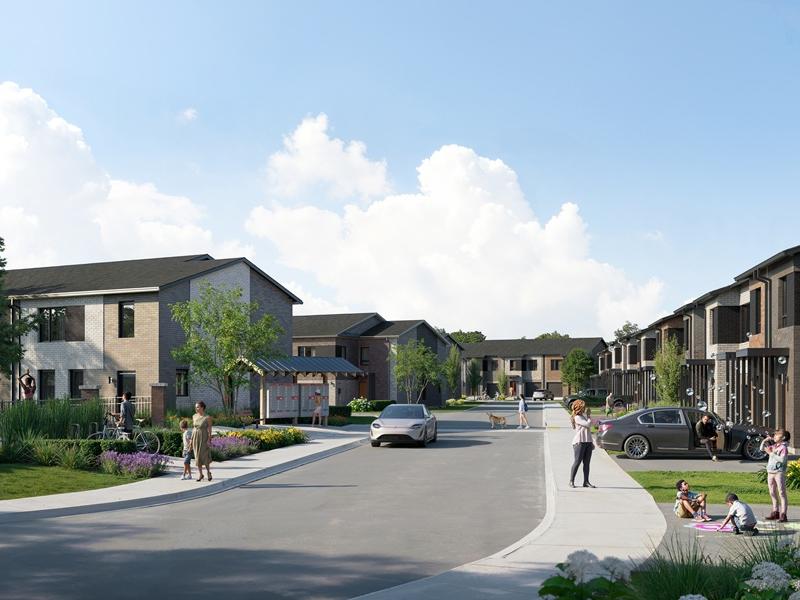
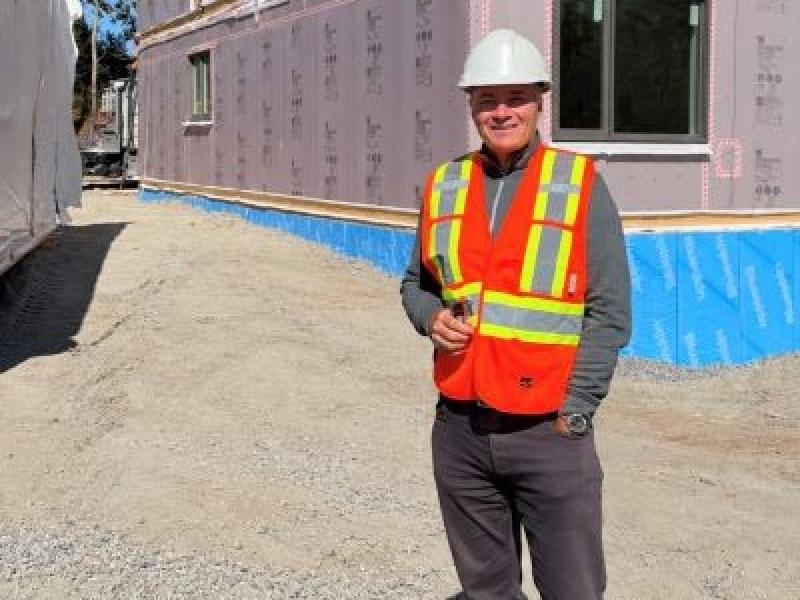

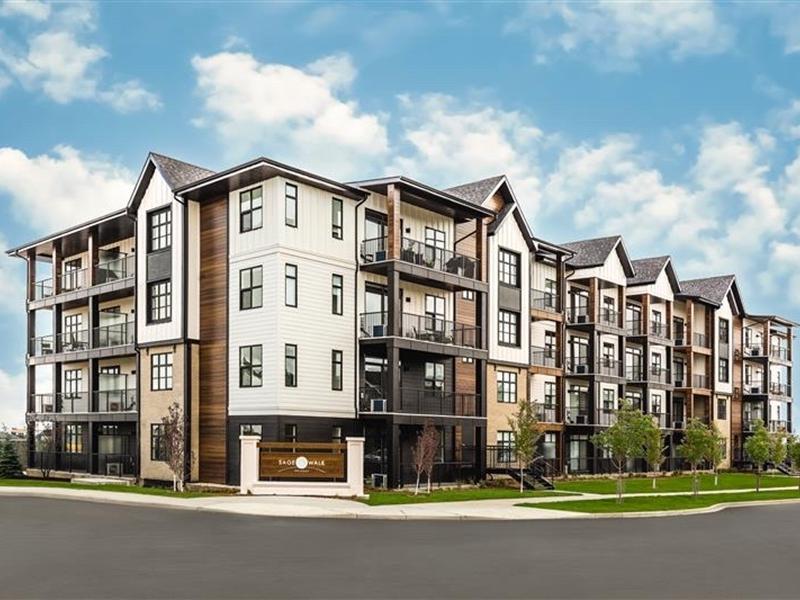



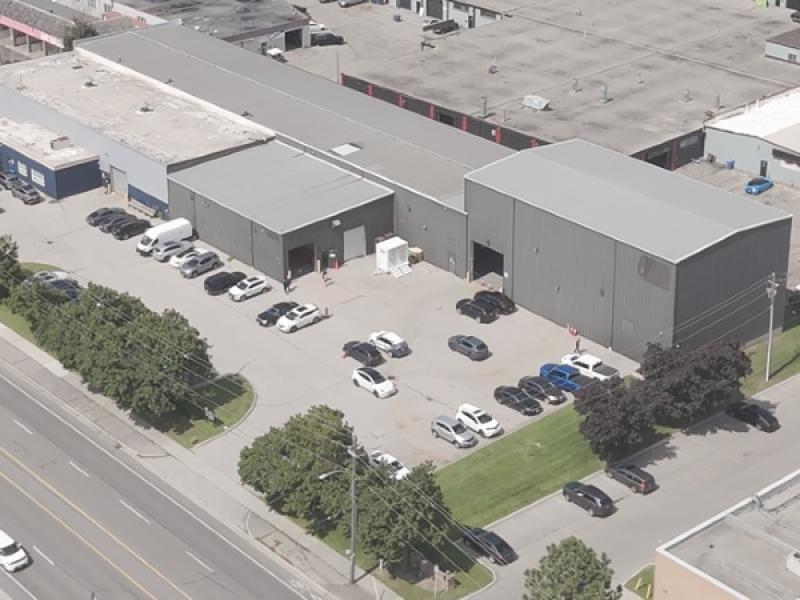
SEKISUI Canada Modular Solutions Inc. (SEKISUI CMS) is readying its modular housing facility in Burlington, Ont., where it aims to help alleviate Canada’s housing shortage section by section.
Applying a volumetric construction model based on decades of experience in the Asian market from Japan-based SEKISUI Chemical, SEKISUI CMS has leased a building under 40,000 square feet for its operations in Canada.
Rectangular building segments that make up a unit are to be built in the factory, then shipped to a site for assembly and finishing. The modular process can cover up to 90 per cent of the construction in a controlled factory environment before delivery, SEKISUI CMS said.
SEKISUI has “a very disciplined approach to manufacturing” that is “very process-based,” Josh Brown, vice president and chief manufacturing officer of SEKISUI CMS, said in an interview with RENX Homes.
“Being able to take that disciplined manufacturing process to the housing and modular building industry has a huge advantage,” he said, particularly at a moment when shortages of labour and housing are converging.
SEKISUI’s ‘very calibrated’ modular process
SEKISUI Chemical, a manufacturer of plastics and building materials, launched its modular housing division in 1970. At its peak, it produced approximately 30,000 homes per year, Brown said. Its main factory in Tokyo, he added, pushes out a module every four minutes – 120 per day in an eight-hour shift.
SEKISUI CMS, Brown said, observed the two problems in Canada: a housing shortage and a shrinking construction and trades labour force. Modular construction can bridge this gap, he said, a point the Canadian government and the Canadian Home Builders’ Association have endorsed.
“By moving the majority of (construction) into the factory, we can make a process base instead of a knowledge and trade base,” Brown said.
Using the conventional trades in a factory environment with a “very calibrated process” can reduce the labour burden, Brown said, while cutting waste and exposure to the elements. Modular construction tends to be faster than conventional construction techniques as well, Brown added.
The advantages of modular construction have been noted by CSA Group, which published a report in 2024 suggesting the method can build 25 to 50 per cent faster than conventional homebuilding, almost halve waste and reduce greenhouse gas emissions.
Additionally, Brown said Canada is an ideal candidate to host SEKISUI’s modular process because the country has a prefabricated building standard that is recognized nationwide, which not every country has established.
The company’s target is to finish one to two modules per day, Brown said.
Lego block-like construction
At the Burlington factory, rectangular modules ranging from eight to 16 feet in width, 20 to 40 feet in length and eight to 12 feet in height are to be manufactured, each making up a portion of a unit.
Brown likened the modules to “Lego blocks” that can be stacked and adjoined to assemble a multiresidential building. The modules can be combined to form larger units. For example, three 600-square-foot modules can fit together to create an 1,800-square-foot residence, Brown said.
In a blueprint of a one-bedroom unit shown to RENX Homes, a module featured the kitchen and living area on the right side, with the opposite side housing the bedroom, bathroom and laundry room.
Once finished, the components are to be wrapped and transported by either truck or barge to the site, where the modules would be lifted by a crane, installed and connected, with trades workers finishing the building systems like the electricity and plumbing.
“Really, there’s no limits,” Brown said about what SEKISUI CMS’s modular technology can make. But it is ultimately decided by “what’s the easiest for modular,” he noted, with apartments being a top choice because of the standardized finishes.
Residential, institutional clientele expected
SEKISUI CMS incorporated in November 2025 and started its operations in January when it leased the Burlington facility. The factory is expected to be fully operational in September.
The company plans to focus on multifamily products such as apartments, condos and multiplexes, Brown said, while also serving the institutional market with buildings like schools and community centres. Housing developers, general contractors, government agencies and school boards are expected to be clients.
SEKISUI CMS’s goal is to further expand its presence in Canada and North America, Brown said.


 Industry Events
 Locations