


 Locations



 Developer Jesta Group has acquired a bulk condo portfolio in Toronto for $30 million, entering the city's residential market and initiating what it says will be a $500-million acquisition program.
The unidentified condo building which houses the units is near Toronto Metropolitan University in the downtown, placing it within walking distance to many transit, retail and recreational options.
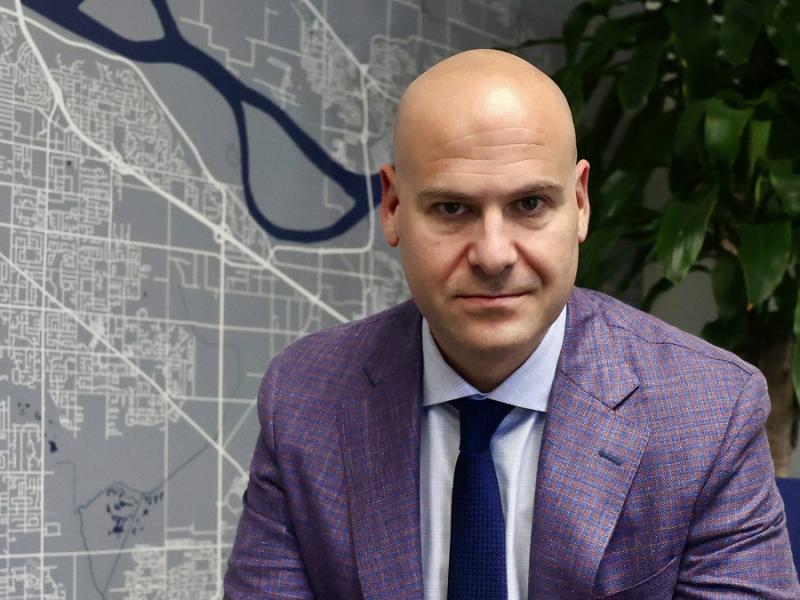
Jesta’s plan is to rent the acquired units for the medium term to generate cash flow as the market absorbs the existing excess condo inventory, senior managing director Anthony O'Brien said in an interview with RENX Homes.
The Montreal-based company expects a shortage of new condo inventory to develop between 2028 to 2030, which will put upward pressure on pricing. Then Jesta plans to sell the units as the condo market rebounds.
“We believe very strongly in the fundamentals of Toronto,” O'Brien said, voicing Jesta's confidence in the long-term value of the city as the economic engine of Canada. The current condo market conditions are an “anomaly,” he continued. “I think it’s just a question of time for the market to come back and for the supply to be absorbed.”
He declined to disclose the name or address of the building, the exact number of units being acquired, nor pricing of the condos.
Jesta is “actively pursuing” more bulk acquisitions of existing developer condo inventory across downtown Toronto locations by partnering with family offices and institutional investors. Its ambitious plan during the coming year is to acquire over 1,000 condominium units, valued at up to $500 million.
Toronto's weak condo market presents opportunity to developers
With a global portfolio stretching from North America to Europe, Jesta operates in the residential, hospitality, commercial, industrial and office categories.
The dramatic slowdown in Toronto’s condo market has presented an opportunity for some developers like Jesta, which have the resources to acquire and hold the units until the market improves. The company started exploring the Toronto market to implement this strategy around six months ago, O'Brien said.
Q1 data for the Greater Toronto and Hamilton Area from Urbanation showed a record-high of 4,295 new condos were completed and unsold that quarter, more than double from the year prior. Prices have been dropping in tandem, falling by five per cent from a year ago to an average of $1,189 per square foot. The HST rebate is expected to further cut prices for unsold new condos by an average of approximately $100,000, Urbanation said.
The pricing per square foot makes sense today for underwriting, O’Brien said, plus there is a “relatively robust rental market.” The HST announcement was a “huge contributor to making these potential acquisitions pencil and make sense,” he continued.
Jesta wants to ramp up its transactions over the coming months to capitalize on the market downturn. Though it is a new strategy for Jesta, the company has experience in development and owning rental housing, O'Brien added, so it knows how to bring housing to market and build a team to lease inventory at the right pacing and price.
Like Jesta, Toronto-based High Art Capital launched a fund earlier this year to also acquire blocks of new, unsold condos in the Greater Toronto Area for conversion into rental housing.
Jesta first entered the Toronto market in 2013 when it bought the Courtyard by Marriott hotel. The intent was to redevelop the site for over one million square feet of condos, O'Brien said. But Jesta was approached during the planning to sell the hotel, which it did to KingSett and InnVest in 2015 for $99 million.
Jesta's $500-million plan
Jesta said its 12-month pipeline is “one of the largest single-firm bulk residential acquisition commitments the Toronto market has seen.” It wants to make its investments at properties with more than 30 units available for acquisition.
The financing is expected to be comprised of $400 million in debt and $100 million in equity. While Jesta rarely seeks investor partners, being a family office, it is speaking to groups to put up approximately $80 million of the $100 million in equity, O’Brien said.
The $500-million program will be focused on the core of the Greater Toronto Area in the onset, he said, such as the Yorkville neighbourhood of Toronto. The suburbs are not expected to be a priority.



 Industry Events
 Locations
