Locations


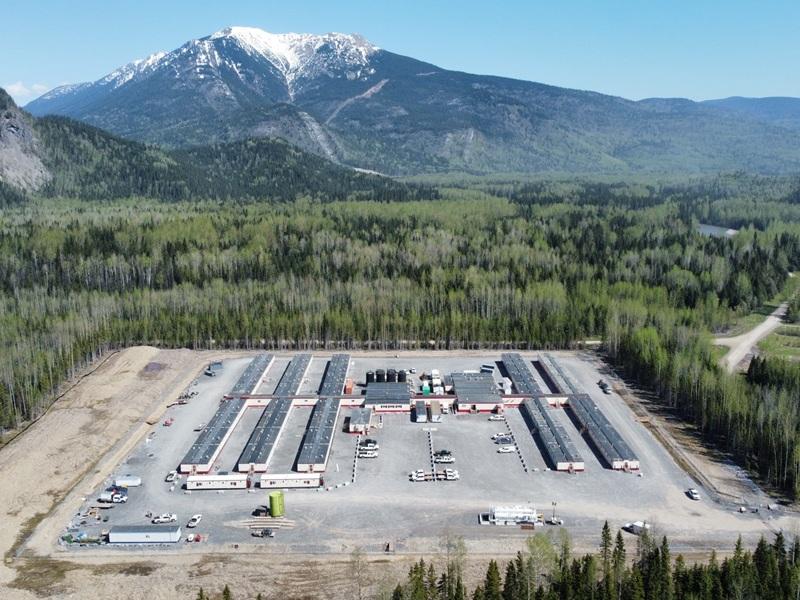




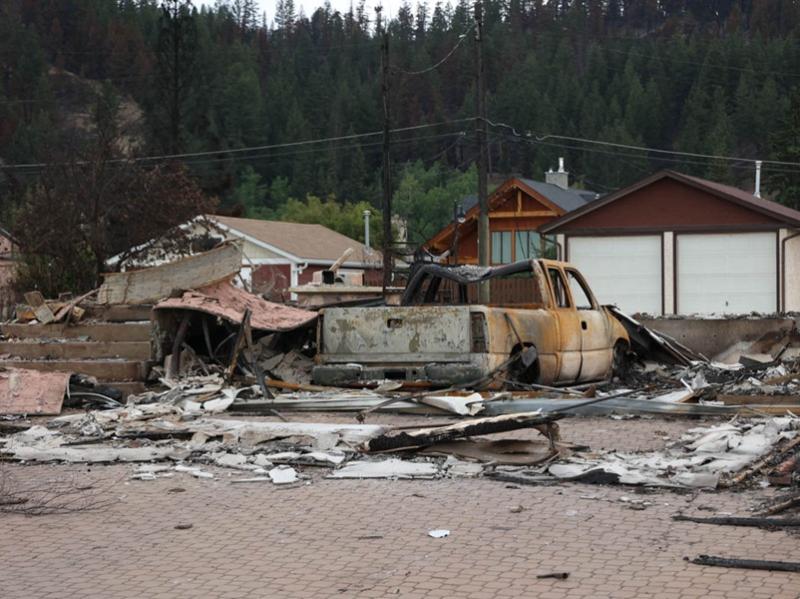
Wildfires in B.C., storms in Southern Ontario, flooding in Cape Breton. It keeps piling on.
Extreme weather in Canada is causing billions of dollars of damage and higher home insurance premiums, but Canadians can empower themselves to get the best coverage and to be prepared when disaster strikes, says the Insurance Bureau of Canada (IBC).
Annual insured losses in Canada have increased by roughly 320 per cent since the early 2000s and the approach to protecting Canada's housing must evolve, the IBC says.
Over the last decade, insured losses from extreme weather in Canada have averaged more than $3.7 billion annually, up from $1.4 billion in the previous decade and $883 million in the decade before that. (Those figures account for inflation during that period).
"We are seeing a significant increase in the frequency and severity of… weather events," IBC federal director of government relations, Rachel Barry, told RENX Homes in an interview. "They're becoming more intense."
2024 costliest on record
In 2024, Canada experienced its costliest year on record, with insured losses from extreme weather exceeding $9 billion. Barry said losses last year dropped down to $2.3 billion – a still-massive figure.
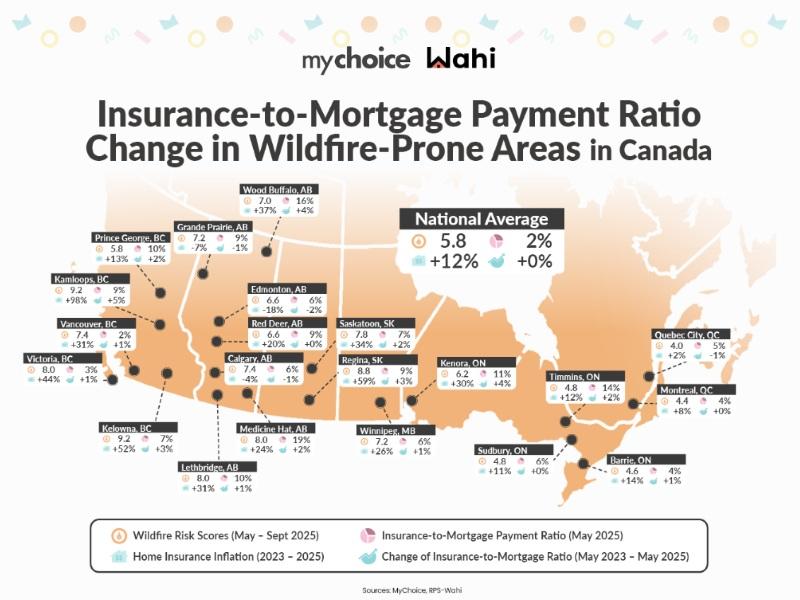
Average premiums will probably continue to rise, but Canada continues to have a "very competitive, stable home insurance market," Barry said.
Several factors impact insurance prices including type of coverage, value of a home and where you live, Barry said. "No one severe weather event impacts premiums, and the insurance industries will capitalize to support its customers."
"As the (extreme weather) trend increases, rising claim costs can affect insurance pricing over time, and we continue to advocate to government at all levels on the urgent need to prioritize investments that build our resilience and protect our families from the changing climate," Barry said.
Established in 1964, the IBC is the national industry association representing Canada's private home, auto and business insurers. Its member companies make up most of Canada's property insurance market.
Many Canadians still don’t recognize the risks

“Many Canadians don’t understand the types of severe weather events that they can be affected by,” Barry said, noting wildfire, flooding and hail specifically. Moreover, many Canadians don’t review their policies in detail or have a grasp on how they’re covered and how they’re not.
"You need to make sure that when... that renewal time comes... that you understand exactly what's included in your policy," Barry said. "All home policies include wildfire (coverage), for example. That's a basic part of homeowners insurance, and there's no distinction between wildfire, or if (the) fire starts in your home. It's all treated the same for insurance purposes.”
There are also pieces of coverage that are optional, however, and Canadians need to make sure they understand their risks and ensure they have the coverage they need and want.
"Each individual insurer has different risk profiles and have different risk appetites," Barry said. "So, if you shop around and compare prices, you'll ensure that the policy you're getting meets your needs, and you get a better price as well."
Role of governments should be to avoid adding risk
Governments’ main role in this challenge should be avoiding adding risk, Barry said. That requires strict land use planning to make sure we're not building new homes in harm's way.
There also must be incentives for Canadians to invest in practical, affordable measures that reduce extreme weather damage and recovery costs. Community-level mitigation measures, such as flood protection infrastructure and the FireSmart program help reduce the risk when building in high-risk areas is unavoidable, Barry said.
IBC tips for having an effective claim experience
Before your home is damaged, it's essential to understand the risks and then take measures to mitigate as much as possible. Barry said a good resource is the Institute for Catastrophic Loss Reduction. "They have good, better, best guides on what you can do to protect your home from flood (and) from wildfire," Barry said. "They have different guides for different perils."
If disaster hits, here is an action list from the IBC to ensure your claim process is as smooth as possible:
1) Assess and document the damage. Taking photos can be helpful.
2) Call your insurance representative or your insurer's claims department to report your damage.
3) If possible, assemble proofs of purchase, photos, receipts and warranties. Keep damaged items unless they pose a health hazard. Note: Remove and dispose of any wet or mould-damaged items as soon as possible to help prevent further damage.
4) Keep notes. Be as detailed as possible.
5) Keep all receipts related to cleanup.
6) If you've been displaced, keep the receipts for your additional living expenses.
7) Ask your insurance representative if you are covered for additional living expenses and for how long.




 Industry Events
 Locations